
Forklift LOLER Inspections
What UK Businesses Need to Know
If your business operates a forklift, LOLER compliance is not optional. It is a legal obligation that applies to every employer and equipment owner in the UK, and failing to meet it puts your workforce, your operations, and your business at serious risk.
This guide covers everything you need to know about forklift LOLER inspections: what they involve, how often they must take place, who can carry them out, and how we can help you stay fully compliant.
Free Site Survey
Rapid Breakdown Callout
Free Fleet Assesment
Toyota Class Service at Low Cost
What Is a Forklift LOLER Inspection?
A forklift LOLER inspection is a statutory Thorough Examination of a forklift truck carried out by a competent person to confirm the equipment is safe for continued use in the workplace.
LOLER is, 1998 regulations that set out the legal duties for anyone who owns or operates lifting equipment at work. The regulations require that lifting equipment, including forklifts of all types, is properly maintained, appropriately marked, and subject to periodic Thorough Examination by a qualified, independent inspector. A written report must be issued after every examination, and that report must be kept on record.
Think of a Thorough Examination in a similar way to a vehicle’s MOT. It is a systematic, in-depth check of the forklift’s safety-critical components, carried out at defined intervals, and it produces a formal document confirming whether the truck is safe to operate or whether action is required before it returns to service.
Does a Forklift Come Under LOLER?
Yes. All forklifts used for lifting goods or materials in the workplace fall under LOLER regulations, regardless of whether the equipment is owned, hired, or leased.
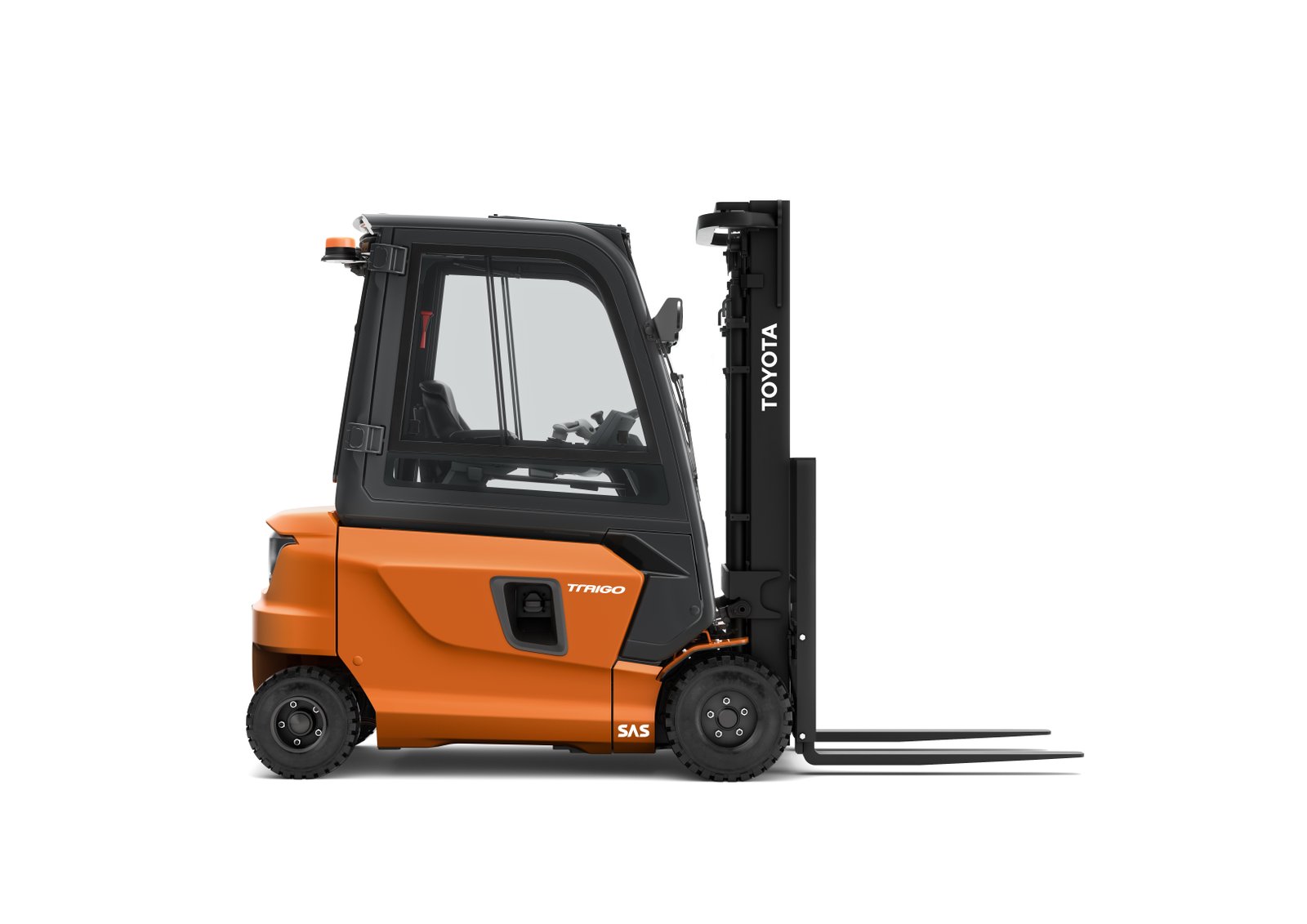
LOLER applies to the full range of Material Handling Equipment used for lifting. This includes counterbalance forklifts, reach trucks, very narrow aisle trucks, articulated forklifts, and order pickers, as well as any lifting attachments and accessories connected to them. If the equipment lifts a load in the course of work, LOLER applies.
It is worth being clear on responsibility here. Compliance falls on the employer or the person who has control over the equipment. If you hire a forklift, you take on the duty of care for that truck during the hire period. The obligation does not sit with the hiring company alone.
How Often Does a Forklift Need a LOLER Inspection?
Under LOLER, the required frequency of Thorough Examinations depends on how the forklift is used and what it is lifting.
The standard intervals are:
- Every 12 months for standard industrial forklifts used to lift goods and materials
- Every 6 months for forklifts used to lift people, such as those fitted with man-cages or work platforms
- Every 6 months for lifting accessories, including chains, slings, and hooks
Here is the key point: those intervals represent the minimum requirement. In practice, inspections must also be carried out immediately following any accident, significant damage, long-term disuse, or major modification to the equipment. If your trucks operate in arduous conditions, such as cold stores, corrosive environments, chemical facilities, or high-intensity applications running well above 40 hours per week, your competent inspector may recommend a more frequent examination schedule.
New forklifts may not require a Thorough Examination at the point of delivery if they come with a Declaration of Conformity, but it is always worth checking the manufacturer’s documentation and scheduling your first examination before the 12-month mark.
What Does a Forklift Thorough Examination Involve?
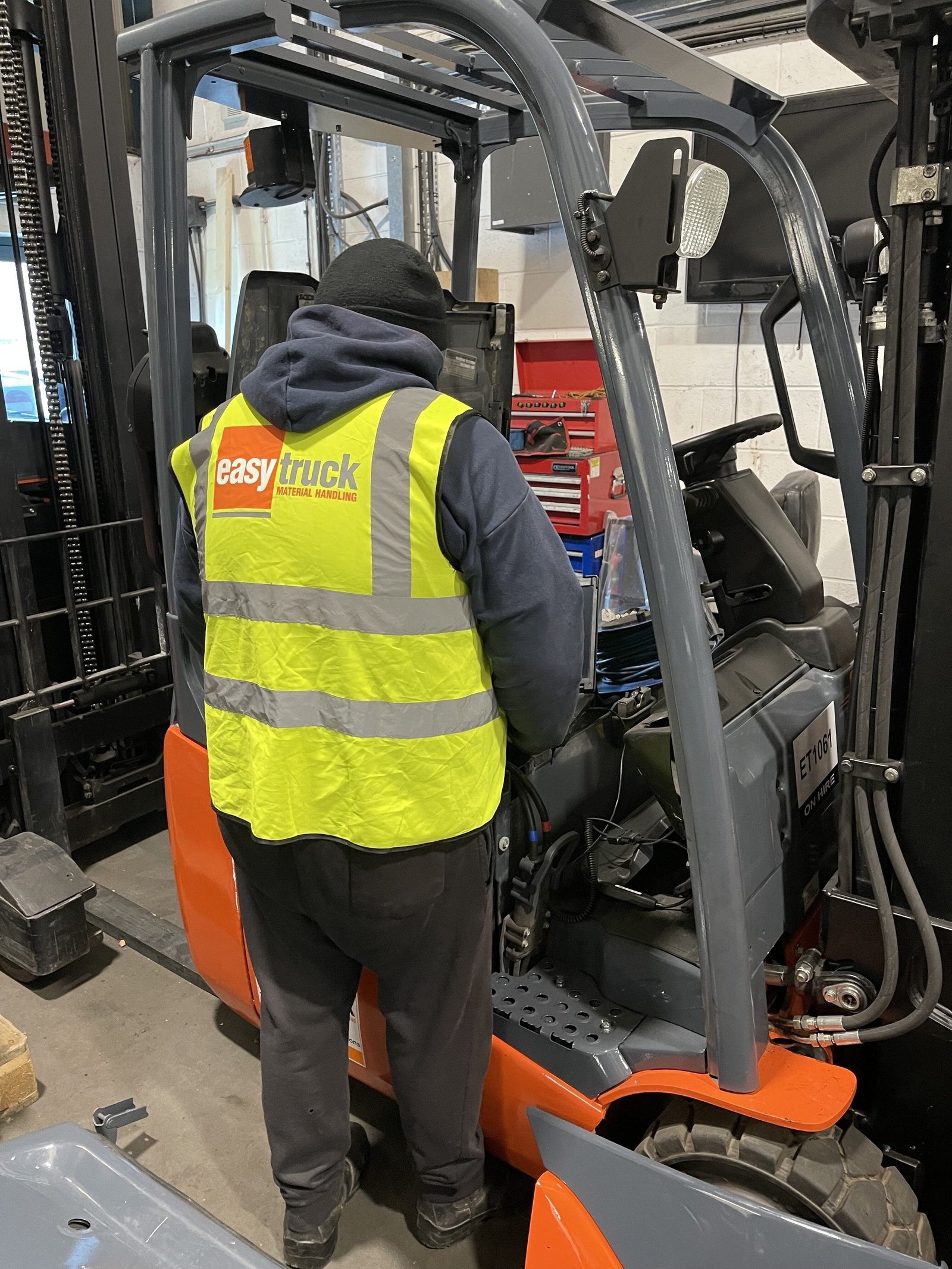
A Thorough Examination is a detailed physical inspection of the forklift and any relevant attachments, covering both the lifting mechanism and the driving functions of the truck.
A qualified engineer will assess the condition of components, including the forks, mast, chains, hydraulic systems, tyres, brakes, steering, and all safety-critical controls. Functional tests confirm that alarms, safety devices, and operational systems are working correctly. Where wear or deterioration is found, the inspector will record it and specify whether it presents an immediate danger or requires monitoring at the next examination.
So what does this mean in practice? The engineer completes a formal written report at the conclusion of the examination. This report must state the date of inspection, the date the next examination is due, and any defects identified that could present a risk to people. If a defect is serious enough that the forklift cannot be used safely, the report will specify that repairs must be completed before the truck re-enters service.
A minimum of 45 minutes is recommended for a standard 1.5-tonne electric forklift. Larger or more complex trucks will take longer. Any inspector who rushes through in significantly less time than this should be questioned on the scope of their examination.
PUWER and Forklifts: The Regulation That Works Alongside LOLER
LOLER is not the only regulation that applies to your forklifts. PUWER, the Provision and Use of Work Equipment Regulations 1998, runs alongside it and places additional duties on employers.
Where LOLER focuses specifically on lifting operations and periodic Thorough Examinations, PUWER covers the broader safe use of work equipment. Under PUWER, any forklift provided for use in the workplace must be suitable for its intended task, maintained in a safe condition, and operated only by people who have received adequate training and instruction. Equipment must also be accompanied by appropriate safety measures, including guarding, emergency stop devices, and clearly visible markings showing the safe working load.
The answer is straightforward: both regulations apply simultaneously, and compliance with one does not satisfy the other. A forklift that has passed its Thorough Examination under LOLER can still be non-compliant with PUWER if it is being operated by an untrained driver, or if its safe working load markings are missing or illegible.
Who Can Carry Out a Forklift LOLER Inspection?
LOLER requires that thorough examinations be carried out by a “competent person,” which means someone with the practical and theoretical knowledge to properly examine the forklift and assess any defects they find.
Crucially, that person must also be independent and impartial. An engineer employed by your own business to maintain your trucks would not typically meet the independence requirement for a Thorough Examination. The inspector must be in a position to give an objective assessment, free from any pressure to pass equipment that should not pass.
Membership of a recognised industry scheme, such as CFTS (Consolidated Fork Truck Services), is a recognised mark of competence for forklift Thorough Examinations. When selecting an inspector, businesses should also confirm that the engineer carries the appropriate specialist tools and will provide full documentation, including the written examination report and a certificate confirming the next due date.
One point that is worth noting: while some insurance companies offer inspection services, businesses are under no obligation to use them. You are free to select any competent, independent inspector who meets the requirements above.
What Happens If You Do Not Comply With LOLER?
Operating a forklift without a current Thorough Examination in place is a breach of health and safety legislation, and the consequences are significant.
The HSE has the authority to issue improvement notices, prohibition notices, and prosecute businesses and individuals for non-compliance. Fines can be substantial, particularly where non-compliance has contributed to an accident or injury. In serious cases, directors and managers can face personal liability. Beyond the legal exposure, an unexamined forklift that causes an injury or fatality carries consequences that no business should be willing to accept.
Is it worth the risk? The cost of a Thorough Examination is modest relative to the liability it protects against. Keeping your inspections current, your records in order, and your trucks in good condition is the most straightforward way to protect your workforce and your business.
How Easy Truck Helps You Stay LOLER Compliant
Our Field Service Engineers are qualified to carry out LOLER Thorough Examinations on forklifts and Material Handling Equipment, issuing official certificates and statutory examination reports at the conclusion of every inspection.
We work across the Midlands and West Midlands, carrying out examinations on-site at your premises, so there is no disruption to your operation. Because we also service, repair, and supply forklift trucks, we can address any defects identified during the examination as part of the same relationship. There is no need to manage separate inspection companies and servicing contractors. If a fault is found, our engineers can advise on the repair and carry it out, with next-day spare parts availability and a first-time fix priority approach.
For businesses looking to consolidate their compliance and maintenance into a single arrangement, our All-In Maintenance (AIM) Contracts combine Planned Maintenance, breakdown cover, and Thorough Examinations under one agreement, giving you full visibility of your compliance schedule and your servicing costs.
If you would like to arrange a Thorough Examination for your fleet or find out more about our LOLER inspection service, get in touch with our team.
