

How to Use a Pallet Truck Safely in a UK Warehouse
What Is a Pallet Truck?
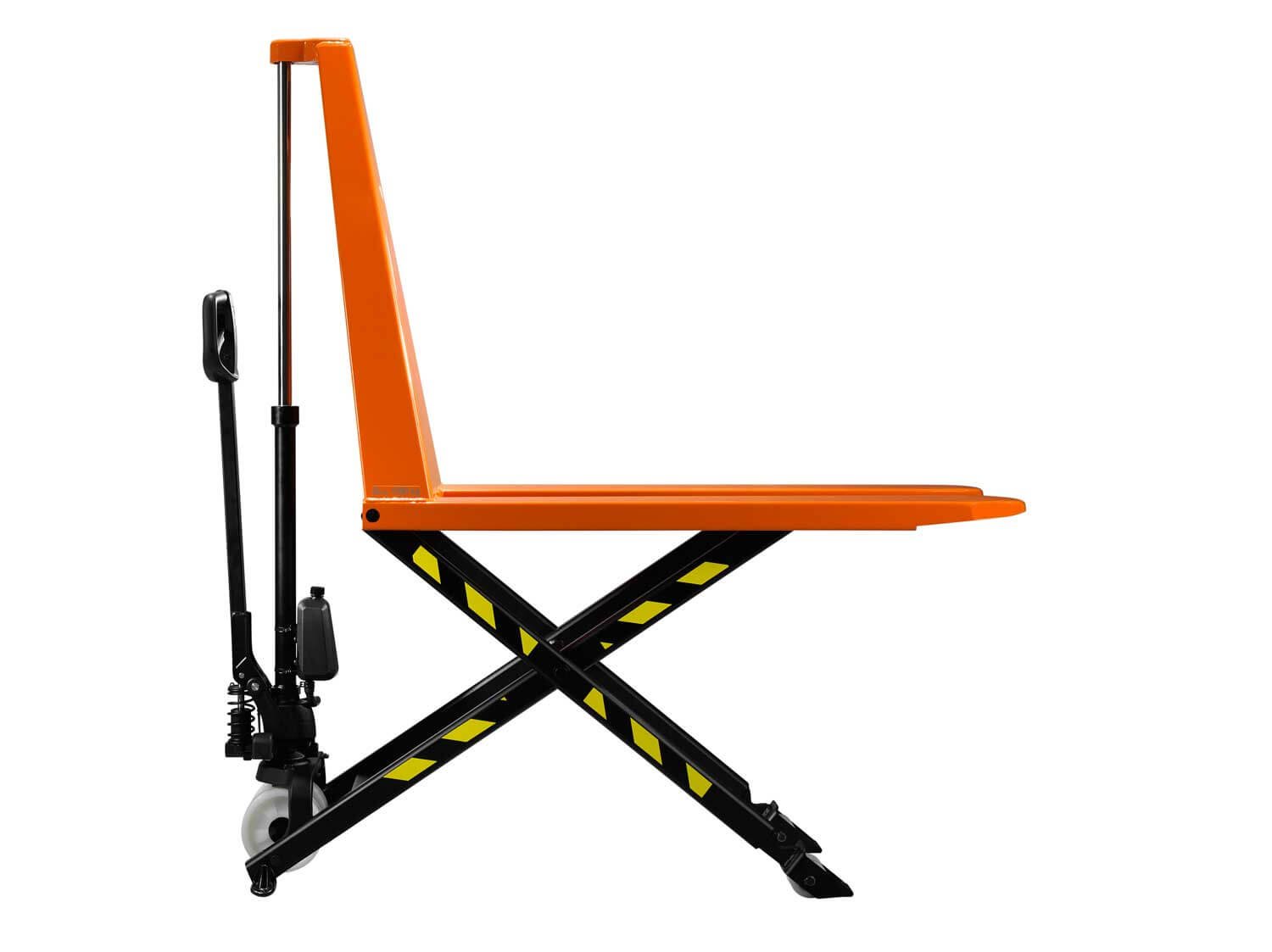
A pallet truck is a simple piece of equipment used for moving pallets safely by lifting them slightly off the floor and transporting them over short distances. If you are searching what is a pump truck, it is the same equipment, often a manual unit raised by pumping the handle. In day-to-day operations, the goal is always the same: reduce strain, prevent damage, and avoid pallet truck accidents.
This guide explains how to use a pallet truck safely, including hand pallet truck usage, pedestrian electric use, and the safe operation of Toyota platform and ride-on models.
Free Site Survey
Rapid Breakdown Callout
Free Fleet Assesment
Toyota Class Service at Low Cost
UK Rules and HSE Expectations for Pallet Trucks
Under the Provision and Use of Work Equipment Regulations 1998 (PUWER), employers must ensure work equipment is suitable for the task, maintained in a safe condition, and used only by people who have received adequate information, instruction, and training. HSE guidance supports the same approach: competence, supervision, and clear safe systems of work help prevent incidents. It is why searches like HSE pallet trucks and safe use of pallet trucks HSE are so common, people want reassurance that training, checks, and ongoing inspection are part of compliant site practice.
On-site, this should include:
- A pallet truck risk assessment for your routes and tasks
- Clear pallet truck safety instructions and supervision
- A simple pallet check routine before use
- Maintenance and defect reporting
Pallet Truck Risk Assessment
A practical pallet truck risk assessment looks at the load, the route, and the people around the task. For powered equipment, the electric pallet truck risk assessment should also cover speed, stopping distance, and charging routines.
Pallet truck risk assessment example checks
- Route: blind corners, thresholds, dock plates, slopes
- Pedestrians: crossings, shared aisles, pinch points
- Load: stability, wrap condition, overhang, damaged pallets
- Equipment: wheels, forks, lift, lowering control
- Behaviour: rushing, pulling blind, riding, poor parking
Pre-use Pallet Check
Before each shift, complete a quick pallet check of the truck and the pallet. This step prevents many pallet truck accidents.
Pallet truck safety check items
- Forks: cracks, bends, sharp edges
- Wheels: flat spots, chunks missing, debris, seized bearings
- Lift and lower: smooth operation, no sudden drops
- Hydraulics: holds the load without sinking on manual models
- Battery and controls: for powered trucks, check charge and function
- Pallet safety: pallet condition, stability, no broken boards
If something is unsafe, take it out of use and report it.
How Does a Pallet Jack Work?
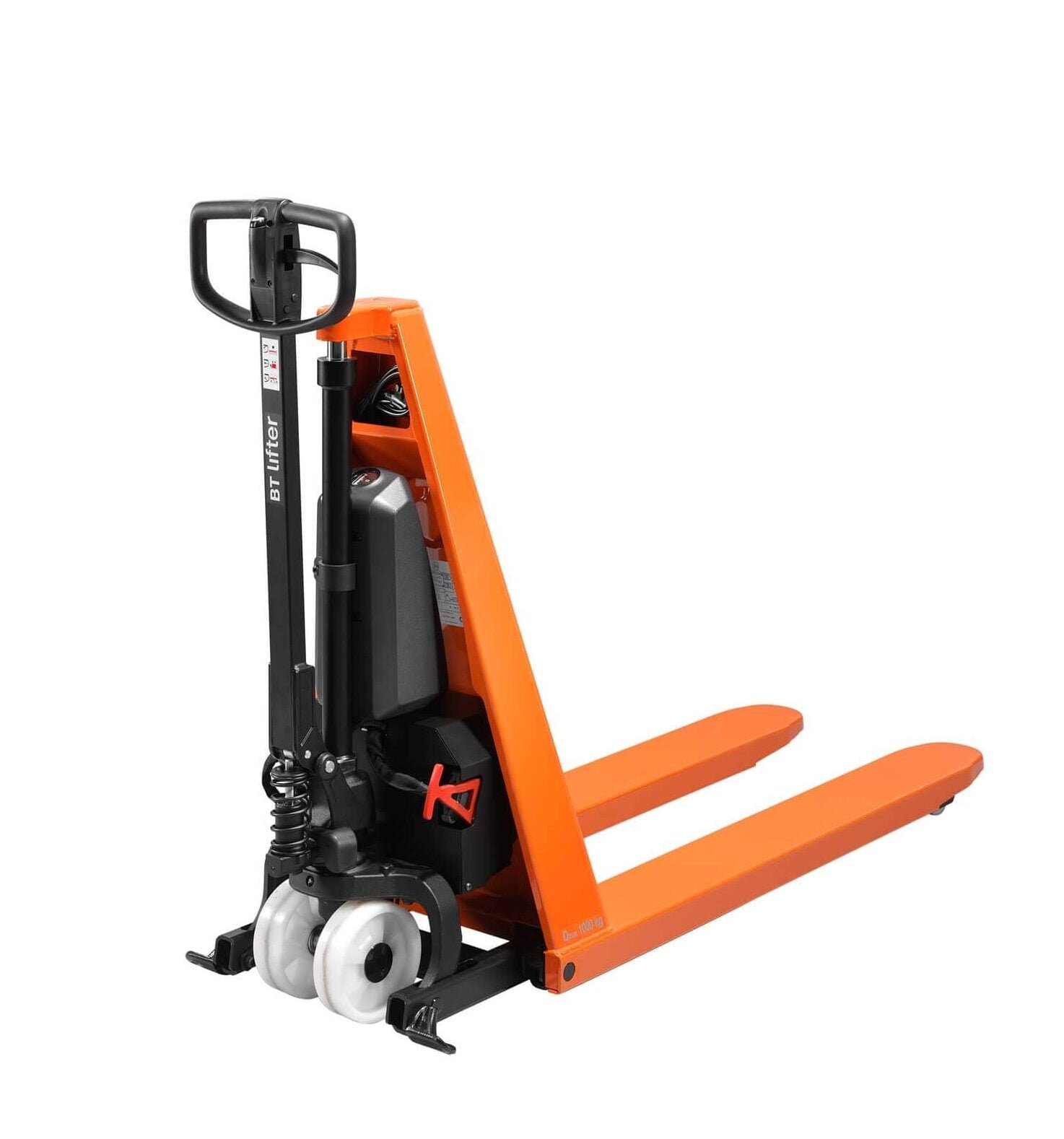
How does a pallet jack work? A manual truck uses a hydraulic pump operated by the handle to raise the forks and a release valve to lower them in a controlled way. Understanding this helps operators spot faults early and supports manual pallet truck safety.
How To Use a Hand Pallet Truck Safely?
If you are searching how to use a hand pallet truck, how to use pallet jack, or how to operate a pallet jack, the safe method is the same: plan, position, lift, move, lower, park.
1) Plan the move
- Confirm the drop point and where the truck will be parked after.
- Check the route is clear, well-lit, and free of spillages.
- Identify pinch points, tight turns, and blind corners.
- If pedestrians are present, wait for a clear path.
This is the foundation of moving pallets safely.
2) Position the truck
- Approach the pallet square on.
- Keep feet clear of wheels and fork tips.
- Set the lever to lower if the forks need to drop.
Manual pallet jack safety tip: never place hands or feet under the forks.
3) Insert the forks fully
- Align forks with the pallet openings.
- Push in until fully engaged.
- Confirm the load is stable and the pallet is not damaged.
This supports pallet safety and reduces load shift.
4) Lift the pallet
- Set the lever to raise.
- Pump until the pallet just clears the floor.
- Do not lift higher than needed.
Be aware of the pallet jack load capacity and never overload. Overloading increases failure risk and makes control harder.
5) Move the load
- Set the lever to neutral.
- Travel at a walking pace.
- Keep the load low.
- Take wide turns and avoid sharp pivots.
This is core pump truck safety and pallet truck safety practice.
Pallet jack safety tips on pushing and pulling
- Push where possible for visibility and control.
- If you must pull, go slower and keep your body clear of the truck’s path.
6) Lower and withdraw
- Stop square in the drop zone.
- Lower smoothly, avoid dumping the load.
- Withdraw forks straight once fully down.
These are basic pallet instructions that reduce damage and near misses.
7) Pallet jack storage and parking
Good pallet jack storage prevents trips and damage.
- Park in designated bays, not aisles or fire exits
- Leave forks lowered
- Report defects
Manual Pump Truck Training and Supervision
Even for manual equipment, hand truck training and supervision matter. A short manual pump truck training session should cover checks, route rules, load stability, and what defects look like. This supports consistent hand pallet truck usage and reduces unsafe habits.
How To Use a Power Pallet Jack and Pedestrian Electric Pallet Trucks
If you are searching electric pallet jack use or how to use a power pallet jack, you need extra focus on control, speed, and pedestrian interaction.
Start-up checks
- Charge level and battery condition
- Emergency stop function
- Drive, brake, lift, and lower response
- Horn and warning devices, if fitted
Safe driving rules
-
- Walk in the correct operator position.
- Keep speed low in shared areas.
- Slow down early for corners and doorways.
- Keep hands on controls, not on the load.
- Park safely and isolate power as per site rules.
This is the heart of safe pallet jack operation and pallet jack use on powered equipment.
Using a Toyota Platform Pallet Truck Safely
Platform models support higher intensity work, but the risk rises if mounted travel is used in congested pedestrian areas. Your electric pallet truck risk assessment should define when mounted operation is allowed.
Safe rules:
- Use the platform only on suitable routes
- Use side gates for stability when mounted
- Reduce speed near crossings and corners
- Dismount and revert to pedestrian mode where visibility is limited

Using a Ride-on, Stand-in Powered Pallet Truck Safely
Stand-in models are often chosen for longer distances and heavy pallets. Your pallet truck risk assessment should cover cornering, visibility, and separation from pedestrians.
Safe rules:
- Maintain a stable stance in the compartment
- Keep loads low and speed appropriate to the route
- Respect the automatic corner speed reduction
- Park in designated zones and follow charging rules

Warehouse Loading
Loading bays are a common location for incidents because surfaces change and pedestrians appear without warning. If your process includes a warehouse pallet truck, warehouse pallet trucks, or a warehouse pump truck at the dock, keep the rules simple and enforced.
Safe steps:
- Confirm the trailer is secured as per site rules.
- Check the dock plate is rated, secure, and correctly positioned.
- Keep pedestrians out of the loading area.
- Avoid turning on dock plates.
- Stop if the load shifts.
This supports safe pallet jack usage and reduces damage during vehicle work.